

Whoa! I was late to the tiny-card party. At first I thought hardware wallets meant bulky dongles or nerdy USB sticks, but then I held a cold, blank card and my view shifted. The card slid into my pocket like a credit card, and suddenly storing crypto felt ordinary — normal even. That normalcy is powerful, because security only works when people actually use it; otherwise it’s just pretty tech on a shelf.
Okay, so check this out—I’ve used a few hardware devices. Some are clunky. Some are elegant. The Tangem-style cards (yes, tangem) are different: they use NFC and a chip sealed in a tamper-evident card, no batteries, no screen. My instinct said „too simple,” but experience corrected that feeling quickly. Initially I thought a screen mattered, but then realized that for many flows the smartphone can be the UI, and the card being simple is an advantage not a liability.
Here’s what bugs me about most cold-storage solutions: people treat them like ceremonies. Big rituals. Complex steps. And that turns off everyday users. Somethin’ as ordinary as tapping a card to a phone removes friction. Seriously, it does. The trade-offs are obvious. You give up an on-device display and manual confirmation, but you gain portability and fewer moving parts to break.
On one hand, NFC cards are intuitive and stealthy. On the other, they change the threat model—so you must understand what changes and why it matters. I want to walk through how these card wallets behave in real life, what they protect against, and where they fall short. And I’m biased toward practical security that people will actually keep using.
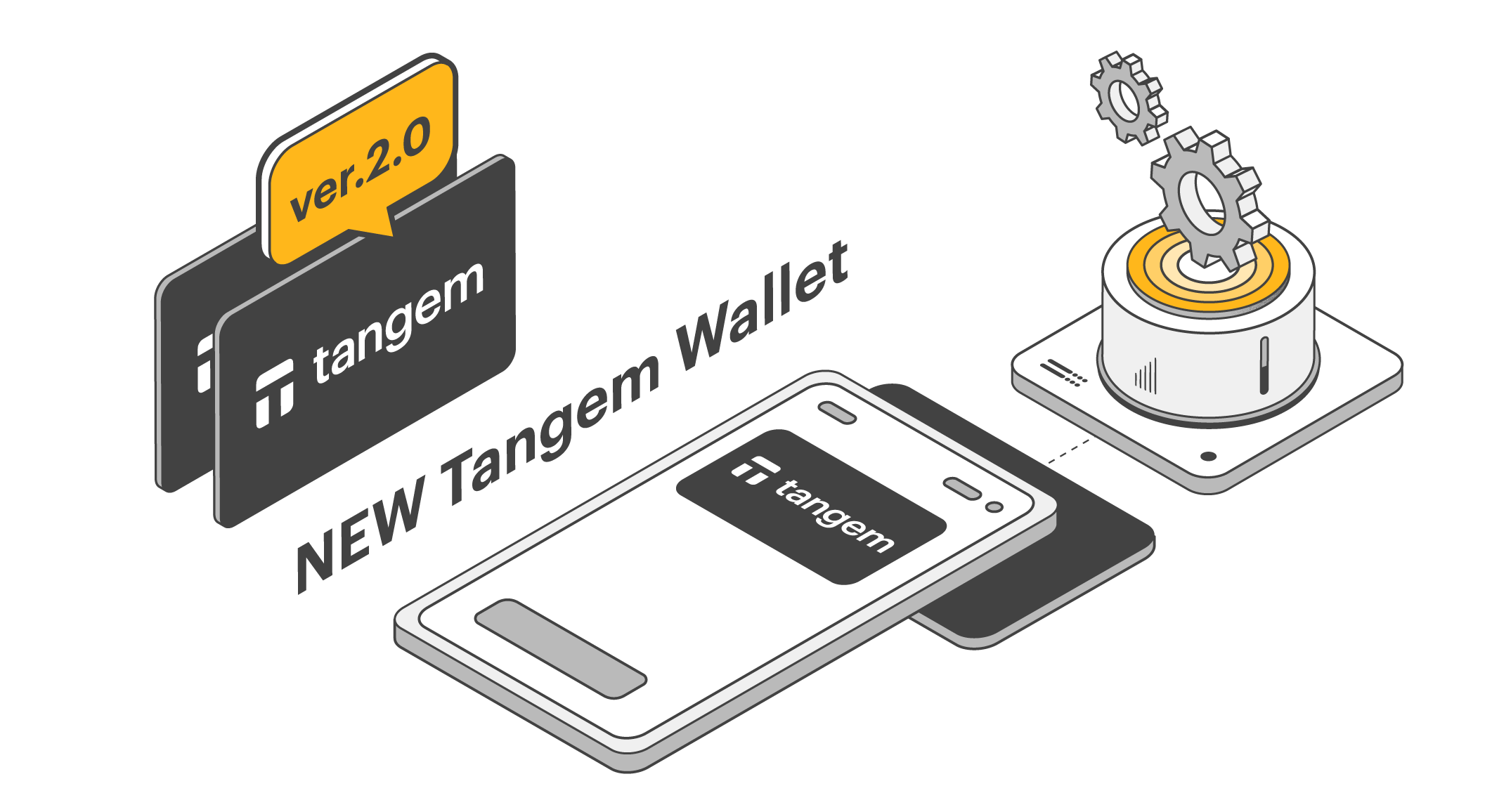
How Tangem-style NFC Cards Work and Why That Matters
The short version: the card stores your private key inside a secure element. You tap it to your phone, the card signs transactions, and the private key never leaves the chip. That’s the promise. The medium version: the chip is tamper-resistant and the card is passive — it draws power from the phone’s NFC field, so there are no batteries to die and no ports to corrode. The longer thought is that this design simplifies attack surfaces, because you remove network-attached instruments and software stacks that are often the weakest link in a security chain.
I’ll be honest: that „never leaves the chip” line is only as strong as the implementation and user practices. Initially I thought NFC meant convenience only, but then when I dug in I saw the hardware proofs and the secure element certifications that matter. Actually, wait—let me rephrase that: certifications help, but they’re not a panacea. On one hand, certified chips deter many attacks; though actually, sophisticated vendors or determined adversaries can still exploit supply chain or social-engineering vectors.
From a UX standpoint, tapping a card is unobtrusive. It’s a mental pattern people already know from contactless payments. That makes onboarding easier. But you must adopt safe habits: store your recovery seed offline, treat the physical card like cash or a passport, and resist storing unlimited funds on a single device without backup. I’m not saying worry non-stop — just be pragmatic.
Practical tip: keep a backup card in a different location, ideally created with an air-gapped process. Doing duplicates is a bit of extra work, but it’s worth it. Also, label backups and rotate them if you suspect any exposure. These cards are durable, but they’re not magic.
Threats, Limits, and Real-World Tradeoffs
Short answer: NFC cards protect your private key from internet attacks and compromised phones. Medium answer: they dramatically reduce remote theft vectors because signing happens offline; malware on a phone can’t extract the private key from the card. Longer thought—still, if your phone is compromised, a malicious app could trick you into signing a bad transaction unless you verify details in the wallet app. There’s an interplay between device trust and card trust you have to respect.
Here’s the nuance: without a screen, you rely on the companion app to display transaction details, which creates a new trust dependency. On one side that dependency is manageable—most wallet apps do a decent job—but on the other side it’s a real change from devices that show transaction amounts on-device. So weigh convenience versus absolute confirmation. Personally I use the card for everyday amounts and reserve larger, epochal holdings to devices with a screen and stronger manual confirmation.
One more thorny thing: supply chain attacks. Cards are physical items shipped to you. If someone intercepts or tampers with them early, they could insert compromised silicon. That risk is real but uncommon for reputable vendors. Still, check seals, buy from trusted sources, and consider activation procedures that verify the card’s provenance.
And yeah—human error remains the top risk. People lose cards, or they photograph seeds, or they paste keys in chat. The tech can only do so much; the rest is procedures, habits, and sometimes stubbornness to do the boring but correct thing.
Practical Workflows I Use (and Why)
My daily method is simple. I keep two cards: one for small, frequent trades and a cold one tucked away for long-term holdings. Wow, that feels almost anticlimactic to write, but it’s practical. For the frequent card I accept that my phone is the UI and I tap to sign. For the cold card I only tap it on an air-gapped reader or with a freshly booted phone that I control. The differences are modest but they compound over time.
Initially I thought a single, highly guarded card would be enough. Then reality set in: loss happens. So redundancy matters. If the worry is losing a single physical item, duplicates with proper secret-splitting or geographic separation help a lot. And if you really want to geek out, combine a Tangem-style card for day-to-day use with a multisig scheme for major holdings—diversify across form factors and custody models.
Oh, and by the way… wallets that integrate well with exchanges and DeFi make life easier. I like solutions that don’t require me to wrestle with QR codes in weird lighting or to fiddle for ten minutes just to sign one transaction. User flows that respect time are underrated in security design.
Where to Start and What to Watch For
Seriously? Start with a small experiment. Acquire a single card from a trusted vendor, try move a modest amount of crypto to it, and then recover to practice your backup routines. Watch for these common missteps: storing seeds online, skipping backups, and assuming a vendor’s app is infallible. Also, verify vendor support and community feedback; the ecosystem matters.
If you’re curious about tangem specifically, check them out and read user experiences. They have a clear design philosophy focusing on simplicity and tamperevident hardware, which is compelling for many people. The link to learn more is here: tangem.
FAQ
Are NFC cards as secure as hardware wallets with screens?
Short: different. Medium: they protect keys strongly, but without on-device transaction display you rely more on the companion app. Long: if you need absolute, air-gapped manual confirmation for very large transactions, a screen-based device or a multisig arrangement may be preferable, though NFC cards excel at usability.
What happens if the card is lost or damaged?
Recover from your seed or use a backup card. That’s why backup practices are not optional. Labels, secure storage, and periodic checks are part of the routine. Don’t be the person who stores everything in one wallet and thinks „it’ll be fine.”
Can a phone malware steal funds from the card?
No, it can’t extract the private key from the secure element, but yes, it could trick you into signing a malicious transaction if you don’t scrutinize details. So keep your phone tidy and apps vetted.

Comenteaza